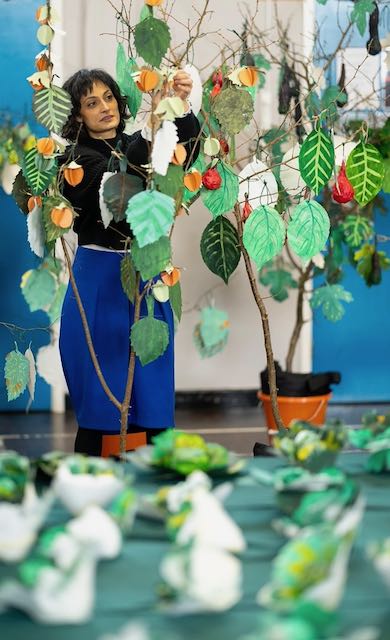
I was very happy to be commissioned by The National Forest, Charnwood Forest Geopark and Charnwood Arts to work with children at Richard Hill Primary School in Leicestershire recreating a seventeenth-century garden from paper. The Rector’s Garden project was featured on the BBC Leicester website, and through this interview for BBC Radio Leicester.
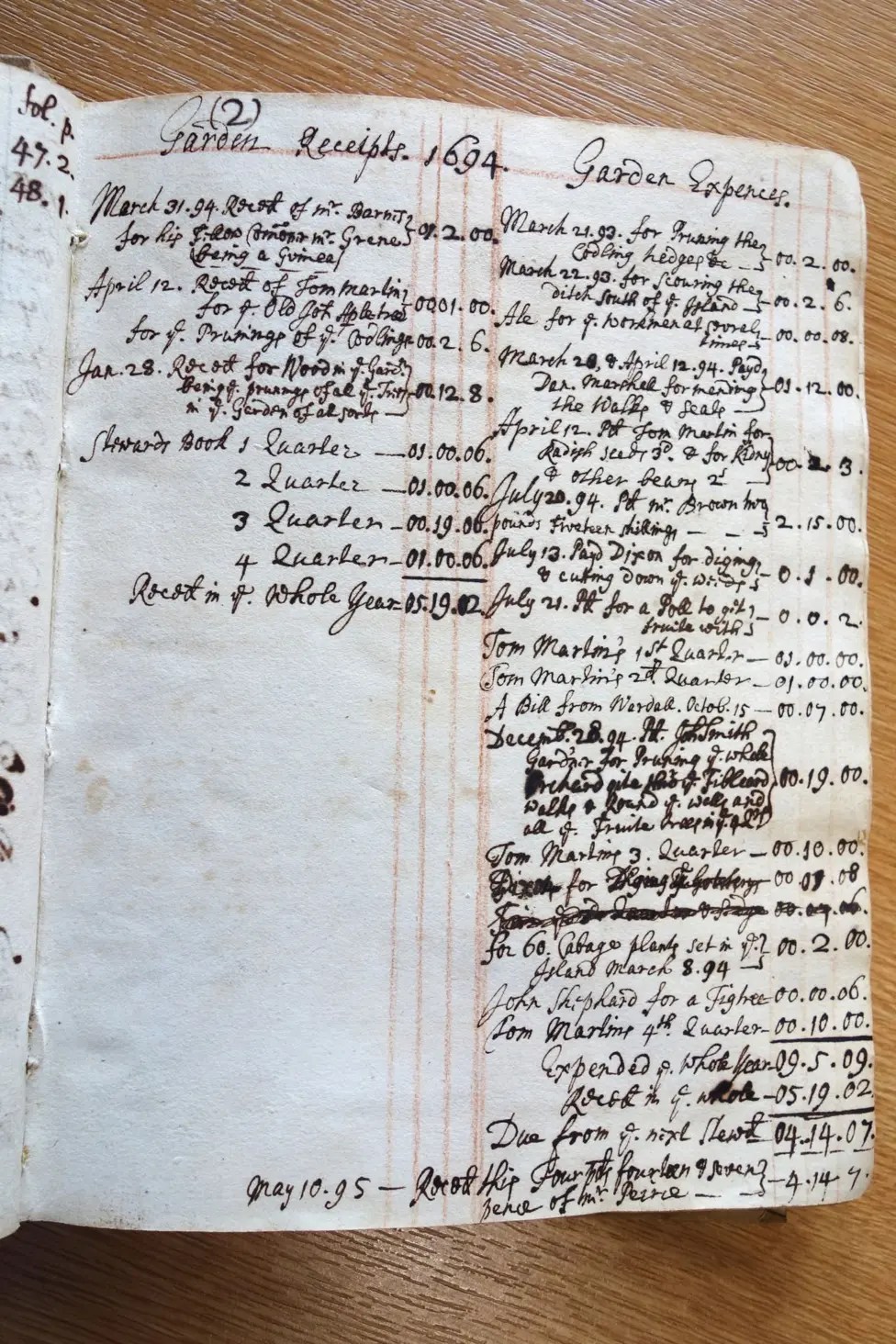
The story begins in Leicestershire’s County Record Office, where Charnwood Forest Geopark and The National Forest’s Education Officer, Susan Kilby, discovered a document that outlines in amazing detail the garden of Robert Alfounder, Rector of Thurcaston, 1668-1700. Just a few years later, the new Rector Richard Hill founded the original village school, complete with its own garden and orchard – just like the Rector’s own garden. We got together and planned to recreate the Rector’s garden in the school hall for a public event. I designed the sketch of the Garden (right) based on the accounting document discovered (left).
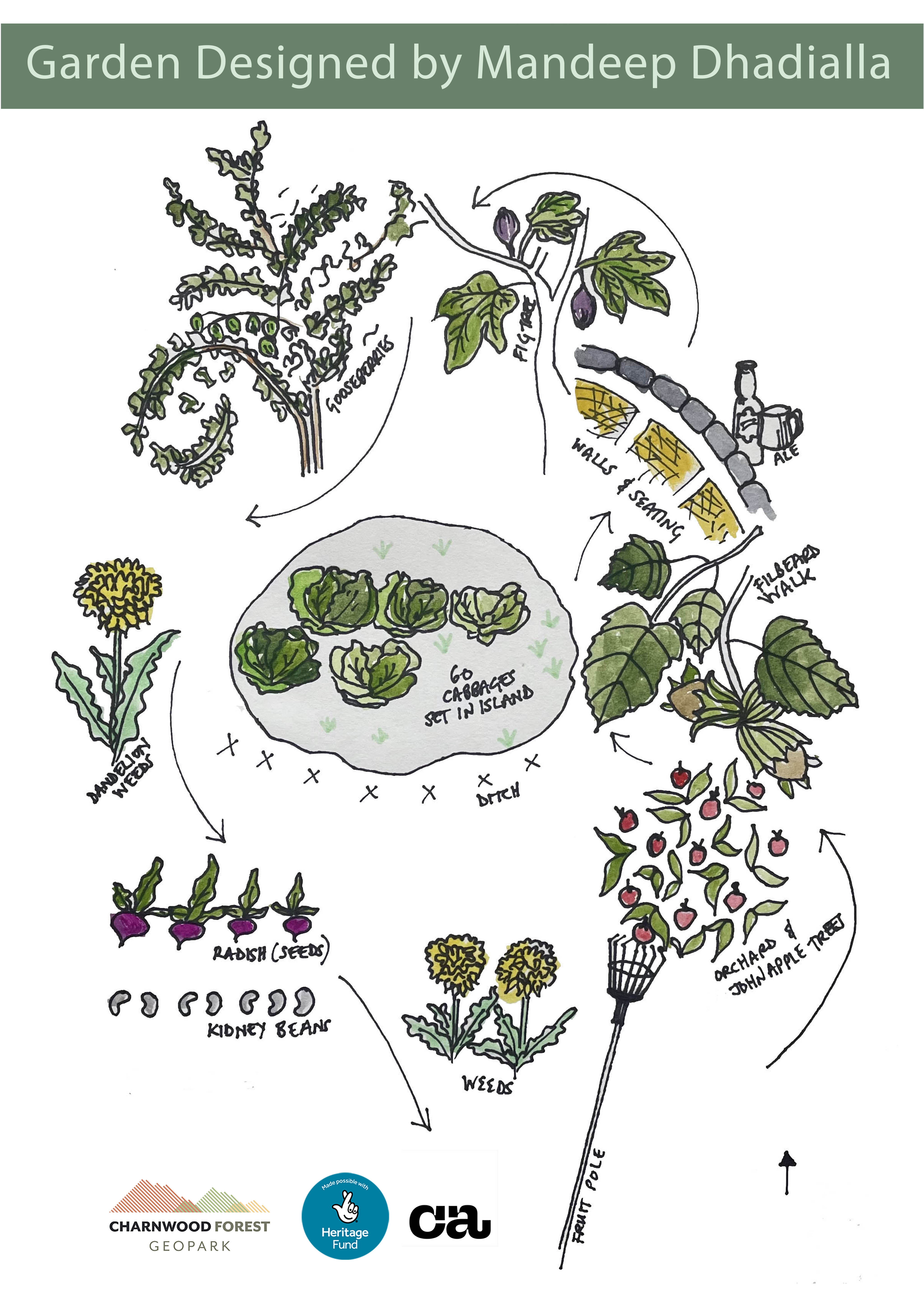
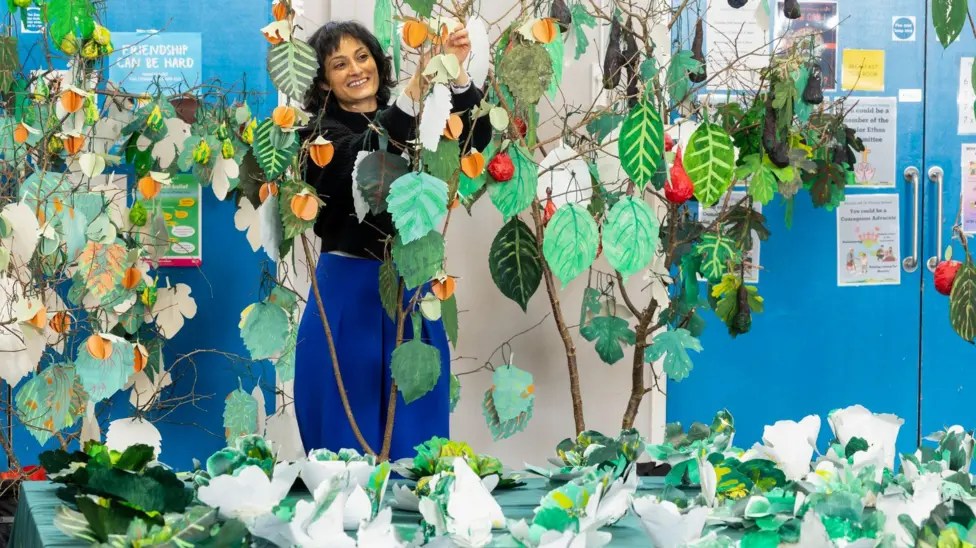
Every child in the school was involved making leaves, fruits and vegetables for the installation. The 1st Thurcaston Brownies and Geopark volunteers also rolled up their sleeves to help, making it a real community effort. Visitors were able to walk amongst the many delights of the Rector’s garden – including the island where he grew his cabbages, a ‘filbeard’ or hazelnut walk, and an orchard of apple trees. We also knew from the document that the Rector grew a heritage apple called ‘John’, and to celebrate this, the Geopark arranged for a new ‘John’ apple tree to be grafted, and this was planted at the event by students alongside a companion apple – St Ailred, assisted by Reverend Matthew Gough, the current Rector in the Benefice of Anstey, Thurcaston and Cropston.
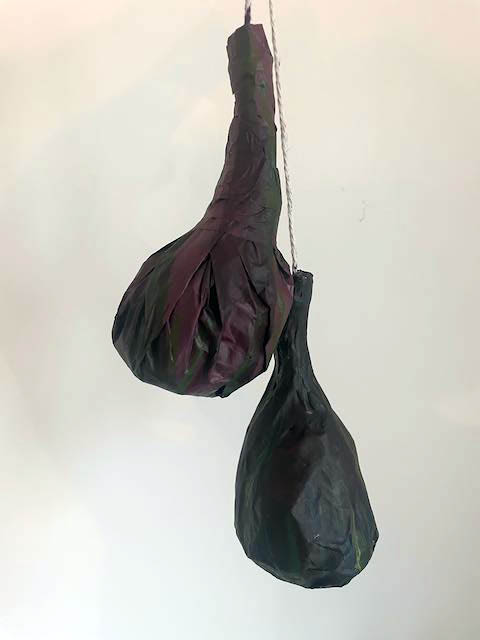
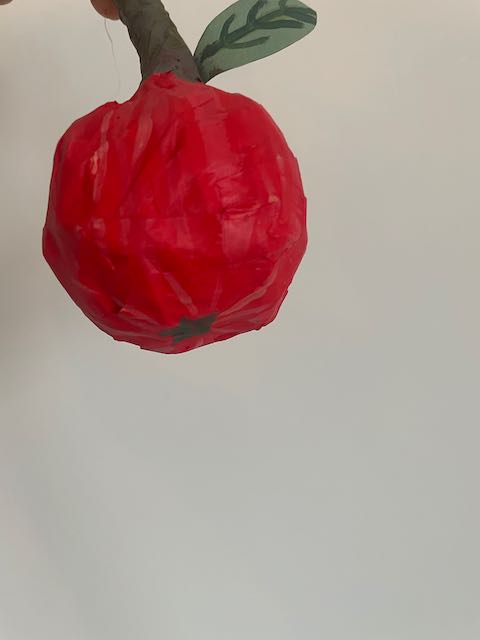
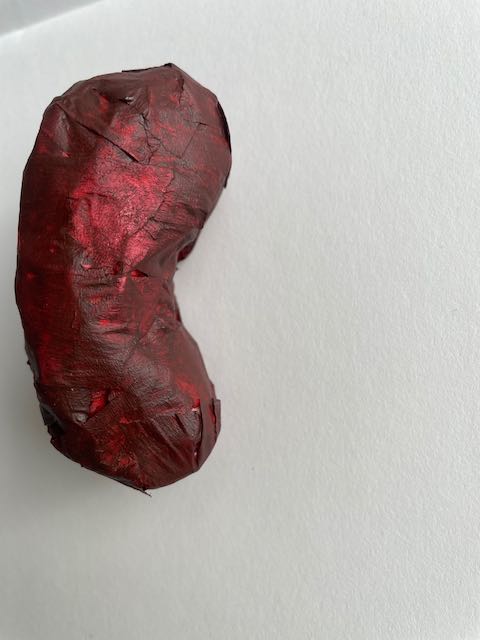
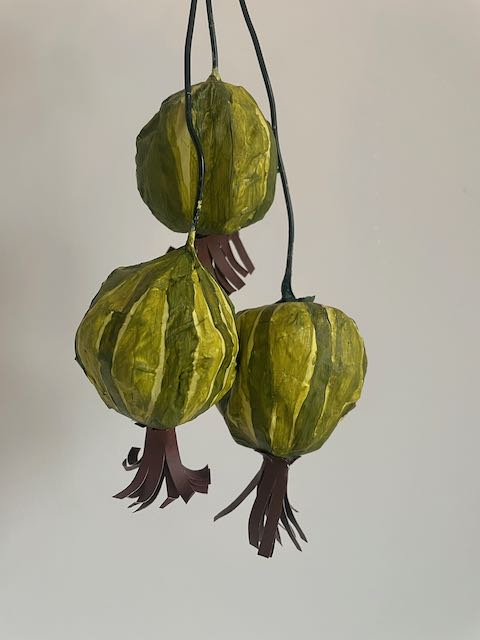
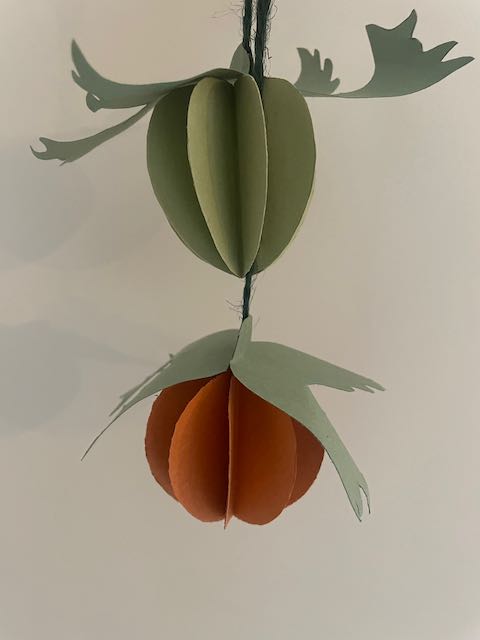
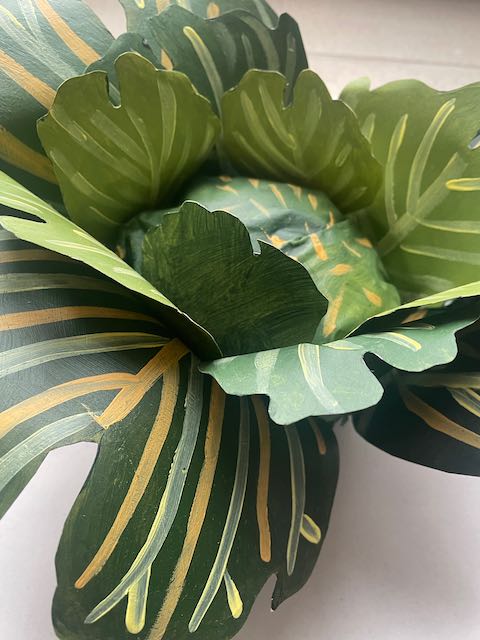
Astounding detail recorded within the document discovered in the Record Officer, Susan said: “We know that the garden had a fig tree, and that in 1694, the rector’s gardeners grew 60 cabbages on an island! This was probably a slightly raised area surrounded by a small ditch, to deter pests like rabbits from eating the rector’s crops.” The children literally made 60 cabbages and we used the stage as the island!
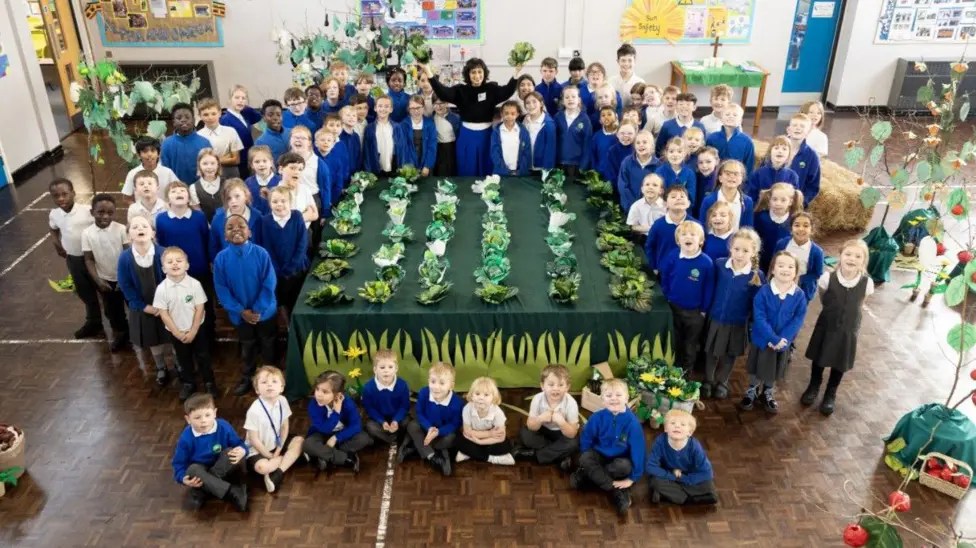
Wight has been really special about this project is bringing heritage back to life. Creating the garden has been a unique collaborative experience. Tying it together with the planting of the tree is quite special during the school’s Heritage Day – a legacy that will continue to flourish for years in the form of heritage apple trees planted at the school orchard. A full circle project that has stemmed from one single document that’s 331 years odl! I love project like this which come combine heritage with arts.
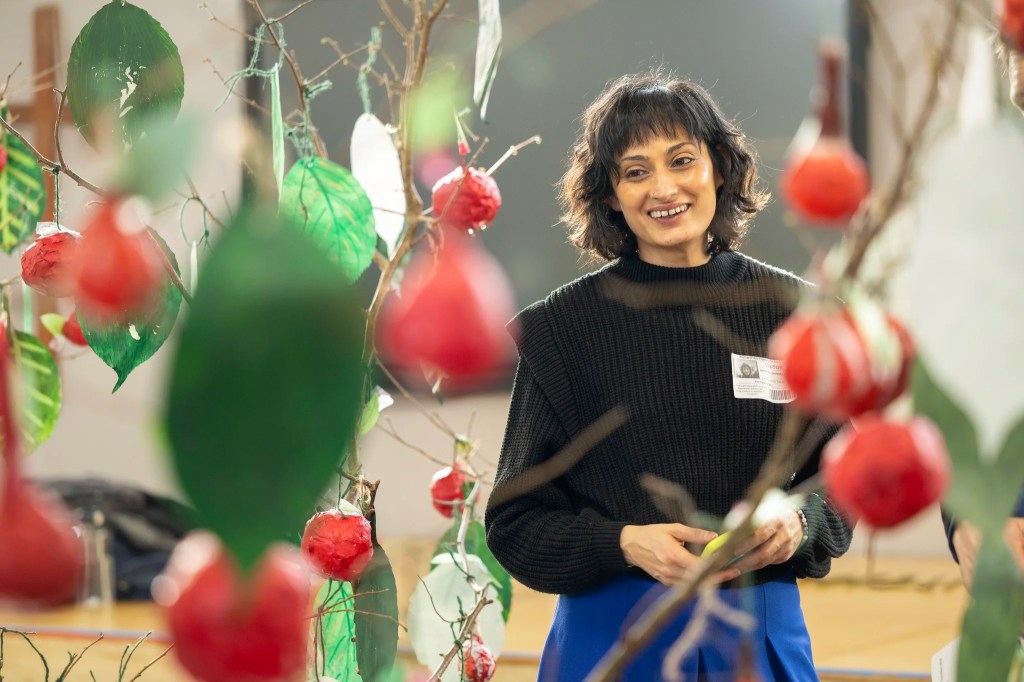
The great thing about this project was that every aspect has been a localised collaboration in place and people, connecting generations young and older through heritage and creativity. And with the planting of two heritage apple trees in the school orchard, speaking to future custodians of carers for nature and nurture.
The highlight was at the opening of the installation – as soon as the doors flung open the then quiet paper Rector’s Garden instantly came into it’s own, uplifted by children, families, village residents, all joyfully weaving about the life-size creations – as if history had jumped out of that paper document in 1694 and placed here in 2025, thats 331 years of living legacy!
 Mandeep Dhadialla | ARTIST printmaker